Creatine Gummies Side Effects: What to Expect
What the research found on creatine side effects, from water weight and stomach upset to headaches, kidneys and hair, and who should ask a GP first.
Written by Organic Gains. Published 10 October 2025.
More than 1,000 studies have been run on creatine since it became a popular supplement in the early 1990s, so nobody has to guess about its side effects. Here is what people in the trials actually reported, what is in our gummies, and who should check with a GP or pharmacist before starting.
What are the side effects of creatine gummies?
The research found very few, and they turned up about as often without creatine as with it. A 2025 analysis of 685 clinical trials, published in the Journal of the International Society of Sports Nutrition, compared everyone who took creatine with everyone who took a placebo, a look-alike with no creatine in it. Side effects were reported by 4.60% of the people taking creatine and 4.21% of the people taking the placebo, and the researchers found no significant difference between the two. So nearly as many people reported a side effect on the dummy as on the real thing.
The International Society of Sports Nutrition (ISSN), in its 2017 position stand on creatine, said the only side effect consistently reported in the research had been weight gain. A 2021 review of common questions about creatine, written by a team of creatine researchers, named water retention in the first several days as the most common one. And a 2008 study found more diarrhoea with one 10g dose than with two 5g doses. Each of these is below, along with headaches, cramps, kidneys and hair.
Are creatine gummies safe?
The ISSN's position stand concluded that taking creatine, short term and long term, at up to 30g a day for five years, "is safe and well-tolerated in healthy individuals". It also said the research gave "compelling evidence that creatine monohydrate is well-tolerated and is safe to consume in healthy untrained and trained individuals".
Most of that research used creatine monohydrate. In the 2025 analysis, 95% of the trials used it, and the 2021 review called it the most extensively studied form of creatine since the early 1990s. A gummy is another way of taking creatine, so the questions worth asking of any creatine gummy are which form of creatine it holds, how much, and what the label says about taking it. We answer those for ours further down.
Water weight in the first few weeks
The side effect the research keeps finding is a small jump on the scales. The 2021 review put it down to water: the authors explained that creatine is "osmotically active", so water is taken up into muscle along with it. Loading, which means taking 20g a day for five to seven days, typically added 1 to 3kg of body weight, mostly water, according to the review.
Over longer spells, the picture changed. Several training studies lasting 5 to 10 weeks found no rise in total body water, though not every study agreed, and the review concluded that over longer periods creatine "may not lead to water retention".
You also do not have to load. The review described a classic study in which 3g a day for 28 days raised the creatine in muscle by about as much as 20g a day for six days, and it suggested this slower route for anyone who would rather skip the weight gain that loading can bring. If the number on the scales matters to you, our guide to whether creatine makes you gain weight goes into it properly.
Can creatine gummies upset your stomach or cause diarrhoea?
The research points to how much creatine goes down in one go. A 2008 study of 59 top-level footballers gave them creatine for 28 days, either as two 5g doses a day or as one 10g dose, with a third group on a placebo. Diarrhoea was reported by 55.6% of the single 10g group, against 28.6% of the two-dose group. The researchers found no significant difference in stomach trouble between the two-dose group and the placebo group, and they concluded that the risk of diarrhoea may go up with 10g of creatine in a single serving.
Look at the placebo group, too: 35.0% of them reported diarrhoea with no creatine at all. Not every upset stomach on creatine comes from the creatine.
The 2021 review drew the same lesson. It advised anyone loading to split the day's creatine into servings of 10g or less, because doses above 10g may lead to stomach upset such as diarrhoea. And in the 2025 analysis, stomach and gut complaints came from 5.51% of people taking creatine and 4.05% of people on a placebo, a difference the researchers found was not significant. So if your stomach is sensitive, the research points to smaller servings rather than one big one. Our guide to how many creatine gummies to take a day covers the serving.
Can creatine gummies cause headaches?
Headaches came up in the trials, about as often with creatine as without it. In the 2025 analysis, 0.12% of the people taking creatine reported a headache, against 0.16% of the people on a placebo, and the researchers found no significant difference. Dizziness (0.13% against 0.17%) and nausea (0.42% against 0.38%) were just as rare, and just as even between the two groups.
If headaches keep coming back, whatever you think the cause is, have a word with your GP or pharmacist.
Do creatine gummies cause cramps or dehydration?
This worry grew from the idea that creatine pulls water into muscle and leaves the rest of you short. The 2021 review looked at the evidence and concluded that "experimental and clinical research does not validate the notion that creatine supplementation causes dehydration and muscle cramping." The ISSN's 2017 position stand said the same of well-controlled studies.
The 2025 analysis gave the numbers. A slightly higher share of studies reported cramping or muscle pain with creatine (2.9% of studies, against 0.9% with a placebo). Counted person by person, it was 0.52% of the people taking creatine against 0.07% of those on a placebo, and the researchers found that difference was not significant.
What about your kidneys and your hair?
These are the two big worries, and each has a guide of its own, so here is the short version.
Kidneys. The 2021 review concluded that creatine taken at recommended doses "does not result in kidney damage and/or renal dysfunction in healthy individuals." There is one practical thing worth knowing. As the review explained, creatine breaks down into creatinine, a waste product your kidneys filter out, and blood tests use creatinine as a stand-in for how well the kidneys are working. The review noted that taking creatine can raise creatinine in the blood, and that this rise is unlikely to mean the kidneys are working any less well. So if you have a kidney blood test, tell whoever orders it that you take creatine. The full story is in our guide is creatine bad for your kidneys?
Hair. The hair worry comes mostly from a single 2009 study of college rugby players, in which a hormone called DHT (dihydrotestosterone) rose during three weeks of creatine. DHT has been linked to some cases of hair loss, which is how the idea spread. The 2021 review pointed out that the result had not been repeated, that the DHT levels stayed well within normal limits, and that no study had reported hair loss in people taking creatine. There is more in does creatine cause hair loss?
Why do doctors say no to creatine?
Here is where the caution around creatine came from, according to the research above.
The kidney worry traces back to a 1998 case report in The Lancet about a young man who already had kidney disease, had been treated for it for years, and whose creatinine rose after he started creatine. The 2021 review points out that it was already known creatine raises creatinine in the blood, and that the case report left this out. Since then, controlled trials have found no kidney harm in healthy people at recommended doses.
In the early 2000s, the American College of Sports Medicine advised people controlling their weight and training hard or in hot conditions to avoid creatine. The 2021 review describes that advice as made "with limited data and based primarily on speculation".
Back in 2000, a review titled Adverse effects of creatine supplementation: fact or fiction? set out to check news reports that, in its authors' words, "do not hesitate to draw broad conclusions from individual case reports". It found no evidence of harmful effects in healthy people, though the authors still called for regular monitoring of anyone taking creatine.
Some people should still check first, and here is who.
Who should ask a GP or pharmacist first?
Talk to your GP or pharmacist before you start creatine if any of these is true for you:
- You have a kidney condition, or any other health condition. The ISSN noted that some advise people with existing kidney disease to check with their doctor before taking creatine.
- You take any medicine. If you are wondering whether it is safe to take creatine with citalopram, the answer is the same for every medicine: ask your GP or pharmacist before you start.
- You are pregnant or breastfeeding. A 2024 follow-up review found no direct evidence yet from well-designed trials on the safety of creatine in human pregnancy.
Our label says the same: if you are pregnant, breastfeeding, taking medication or under medical supervision, ask your doctor before use. Everything in this guide is written for adults.
What is in our Creatine Gummies?
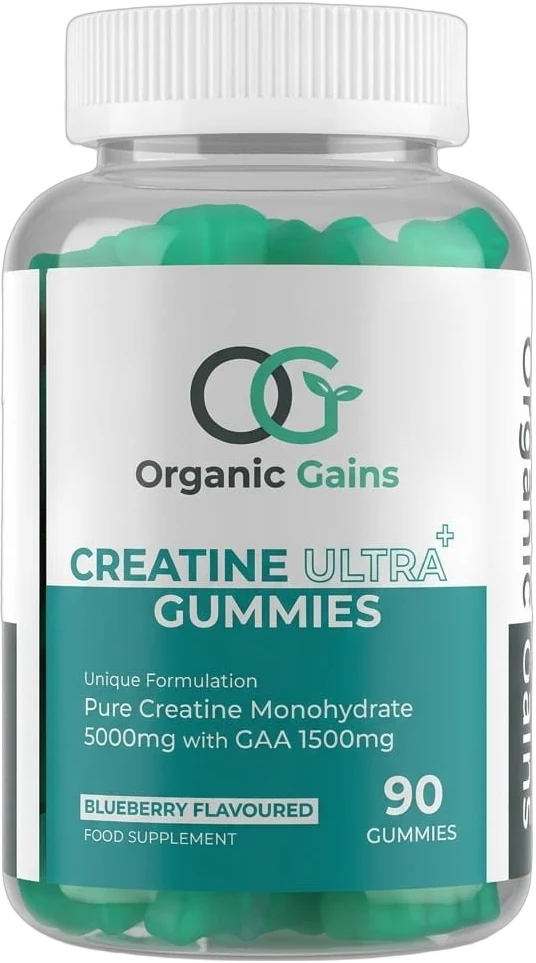
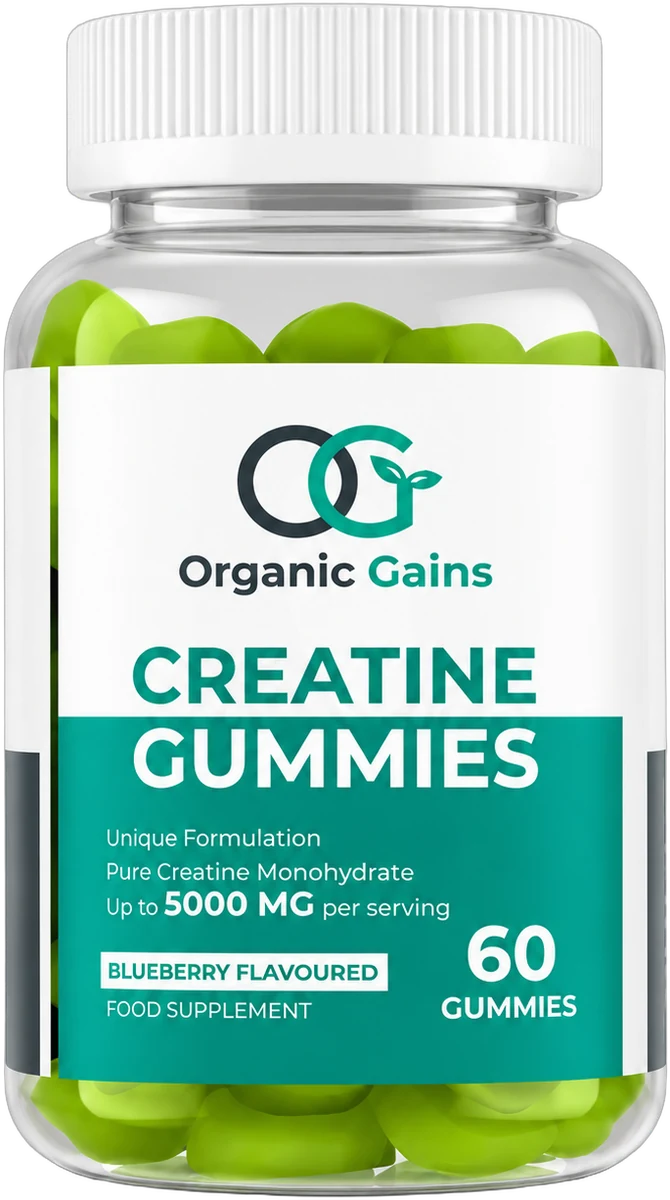
Our Creatine Gummies are pure creatine monohydrate in a blueberry gummy, and creatine monohydrate is the only creatine in them. A serving is two to three gummies a day, with up to 5,000mg of creatine monohydrate in a serving of three. The label marks them gluten free, vegan and with no added sugar. It also asks you not to go over the recommended daily intake, and to keep the jar out of reach of young children.
Trying creatine gummies
Creatine increases physical performance in successive bursts of short-term, high intensity exercise, and the beneficial effect is obtained with a daily intake of 3g of creatine. That makes it a supplement for adults who do high intensity exercise, which is who this guide is for. Check with your GP or pharmacist first if anything in the list above applies to you.
If you would like your creatine without a scoop or a shaker, our Creatine Gummies give you up to 5,000mg of creatine monohydrate in a serving of three blueberry gummies. Take them as the label sets out.