When to Take Creatine Gummies (and Does the Time Matter?)
When to take creatine gummies: before or after training, on rest days, at night, with coffee, what the timing research found, and a routine to copy.
Written by Organic Gains. Published 2 July 2026.
A creatine gummy needs no scoop and no shaker, which leaves just one question: when do you take it? The short answer is whatever time of day you'll remember every day, because the reviews of the timing research found that taking it consistently mattered more than the hour.
Is there a good time to take creatine gummies?
The good time is the one you'll stick to. The researchers who have looked hardest at creatine timing keep landing in the same place. In a 2024 review of common questions about creatine, written by an international team of 20 creatine researchers for the Journal of the International Society of Sports Nutrition, the authors concluded that taking creatine consistently during a resistance training programme "is likely the most important variable to consider".
A 2021 review of the timing studies, in the journal Nutrients, put it even more plainly: changing when you take creatine to fit around your training "is not currently supported by solid evidence and should not be considered a real concern for now".
Why does the hour matter so little? The 2021 review explained that any effect of timing would most likely show only in the first weeks, while the creatine stored in the muscles was still building up, and would probably be irrelevant once those stores were full. Think of a water butt in the garden: it fills from the rain that falls day after day, and whether a shower came at breakfast or at teatime makes little difference to how full it ends up.
Should you take creatine gummies before or after a workout?
Either is fine, going by the studies so far. Here's what they found.
The first study to test it head to head, published in 2013, gave 19 recreational bodybuilders, training five days a week for four weeks, 5g of creatine either just before or just after their workouts. The after group did a little better on bench press strength and fat-free mass (your body weight minus its fat), but the 2021 review pointed out that the difference between the groups wasn't statistically significant and that the gaps were small.
The studies since then have found much the same results whichever side of the session the creatine came on, in young adults and older adults alike, as a 2022 review of the timing research concluded. The one study the 2024 review found that compared timing against a placebo followed adults aged 50 and over for 32 weeks, and found similar strength gains whether they took creatine just before or just after training. The 2024 review summed it up: creatine before exercise and creatine after exercise "seem equally effective".
A trial published in June 2026 points the same way on timing. It split 27 trained young adults into three groups for 16 weeks: 5g of creatine just before training, 5g just after, or a placebo, taken on training days only. The researchers found no difference between the three groups in body composition, muscle size or performance.
A second 2026 study looked at a single session instead. This small pilot study had 11 physically active men do the same strength session five times: with one dose of creatine before, during or after it, with a placebo, and with nothing. They lifted more in total when the creatine came before training. Its authors called the findings exploratory. Because they tested one dose on one day, they wrote, the results "should not be extrapolated to chronic supplementation practices", which means taking creatine day after day for weeks.
There's a simple reason the exact minute makes so little difference to a daily routine. The 2024 review noted that a 5g dose of creatine can take up to two hours to reach its peak in your blood, so whether you take it just before, during or just after a typical 40 to 90 minute strength session is, in the review's words, "most likely insignificant".
So pick whichever suits your day. Training at 7am? Have your gummies with breakfast, or once you're home. Training after work? Have them after the session, or with dinner.
Should I take creatine on rest days?
Yes, keep taking it on rest days. The reason is written into the creatine claim itself. For adults who do high intensity exercise, Great Britain authorises this health claim for creatine: creatine increases physical performance in successive bursts of short-term, high intensity exercise, and the beneficial effect is obtained with a daily intake of 3g of creatine. Daily means every day, rest days included, so a rest day is the same routine as any other: take your usual serving with breakfast and get on with your day.
The research points the same way. The International Society of Sports Nutrition's 2017 position stand on creatine described 3 to 5g a day as the amount that keeps the creatine stored in muscle topped up once it's full. It also reported that after someone stops taking creatine, it generally takes 4 to 6 weeks for those stores to fall back to where they started. The 2022 review noted that it was still unknown whether taking creatine only on training days has any advantage over taking it every day, rest days included. In the June 2026 trial above, where creatine was taken on training days only, neither creatine group did better than the placebo. So there's no reason to drop the rest days.
That long, slow fall is also why one missed day is nothing to worry about. Carry on the next day with your usual serving, and skip the urge to double up, because the label says not to go over the recommended daily intake.
Can you take creatine at night?
Yes. A 2021 study that compared morning and evening found no difference. It followed 14 female athletes for 12 weeks: one group trained in the morning and the other in the evening, each taking creatine after its sessions, and both groups gained strength and power with no differences between the two, as the 2022 review reported.
You may come across one older study that seems to say otherwise. In 2006, a group of bodybuilders who took their supplement just before and just after training did better than a group who took it first thing in the morning and late in the evening before sleep. Both the 2021 and the 2024 reviews pointed out that the supplement also held glucose and protein, which limits what the study can tell anyone about creatine timing on its own.
Will a gummy at bedtime keep you awake? There's little research to go on: the 2024 review noted "a scarcity of data on the effects of" creatine on sleep. If bedtime is when you'll remember, bedtime works. If you find you sleep worse, move your gummies to breakfast.
Should you take creatine gummies with food or with coffee?
With food or without, whichever is easier for you. The 2024 review's authors wrote that creatine monohydrate was effective whether it was taken with other nutrients or not, so a meal is optional. A meal is still a handy anchor, though: if the jar lives next to the cereal, the gummies get eaten.
Coffee is a fair question, because of one old study. In 1996, researchers gave people a large loading dose of creatine for six days, with or without caffeine, and the improvement creatine made in a static strength test (pushing against something that doesn't move) disappeared when caffeine was added, as the 2022 review described.
The 2024 review concluded that creatine with caffeine at under 5mg per kilogram of body weight a day likely doesn't cause opposing effects in the short term, and that the long-term picture is unknown. For a 70kg adult, 5mg per kilogram comes to 350mg a day. The NHS estimates 100mg of caffeine in a cup of instant coffee, and says filter coffee and coffee from coffee shops can contain more, so a cup or two of instant sits well under that level. If you'd rather keep them apart anyway, the 2022 review's practical suggestion was caffeine before training and creatine after.
How long do creatine gummies take to kick in?
The research measures it in weeks. The 2021 review noted that at 3 to 5g a day, muscle creatine stores took up to 28 days to fill up, which is one more reason the daily habit matters more than the hour you pick. For the full answer, see our guide to how long creatine takes to work.
Can you take all your creatine gummies at once?
Yes, or split them, whichever suits you. The label sets a daily amount, two to three gummies a day. The 2022 review noted that it's unknown whether taking creatine at a set time differs from taking it at scattered times through the day on training days, so there's no need to fuss. Three with breakfast, or two at lunch and one after the gym: both get the day's serving in.
A simple creatine gummy routine to copy
Here's a routine you can lift straight into your week:
- Pick one anchor you never skip: breakfast, your first coffee or your evening meal. Keep the jar right beside it.
- Training days: have your gummies with that anchor, or after your session if that's easier to remember.
- Rest days: the same serving, with the same anchor.
- Missed a day: carry on the next day with your normal serving, with no doubling up.
- Away from home: the jar fits in a gym bag or a desk drawer, and a gummy needs no water and no shaker.
If you're pregnant or breastfeeding, take any medication or have a health condition, ask your GP or pharmacist before you start.
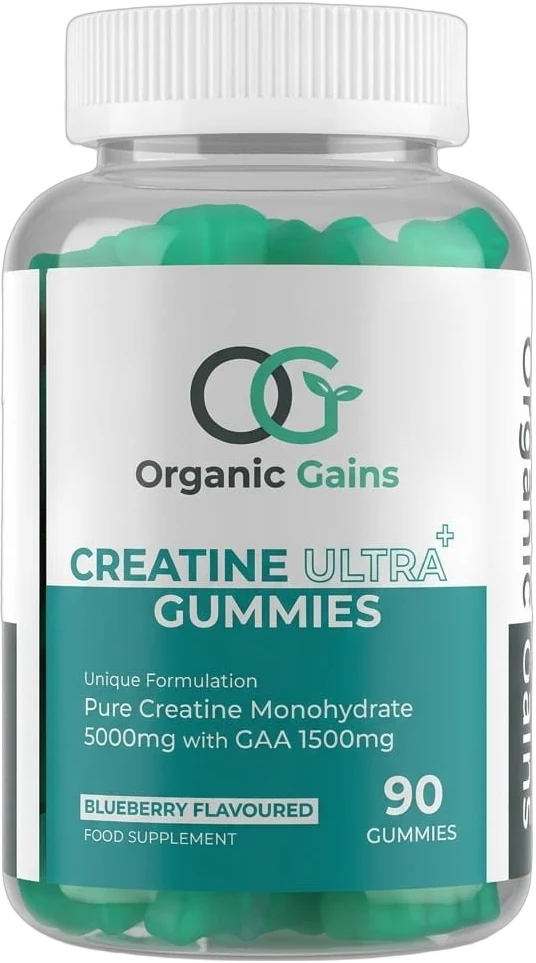
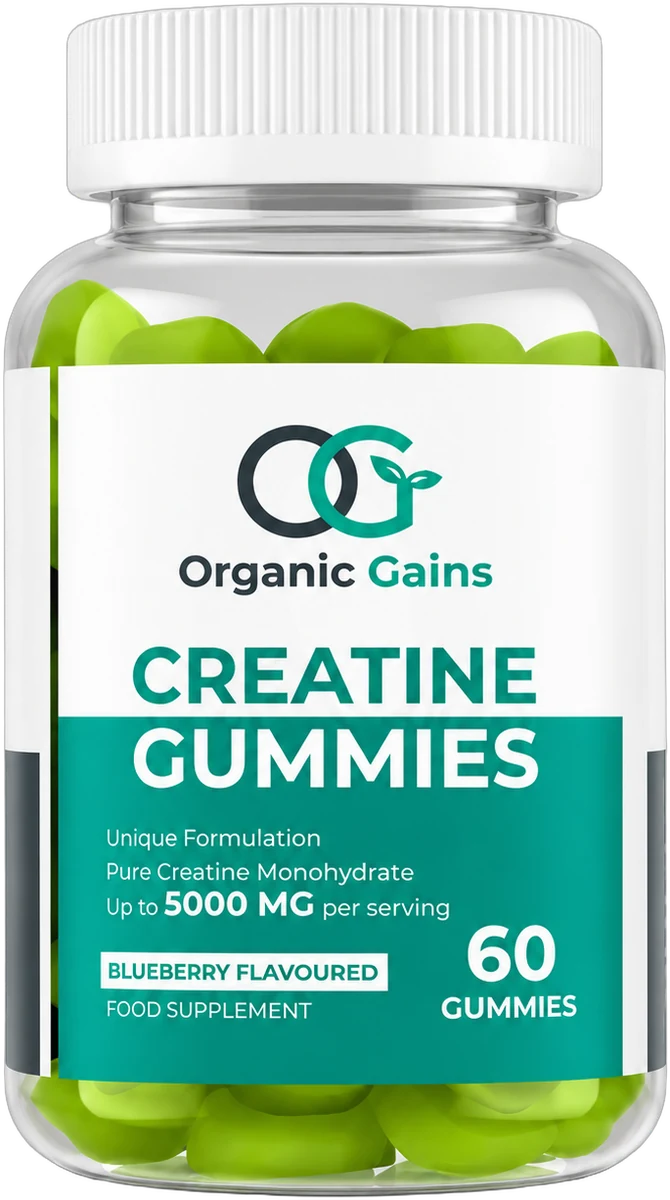
When you're ready to start, our Creatine Gummies give you up to 5,000mg of creatine monohydrate in a serving of three blueberry gummies, with no powder to measure and no shaker to wash. Not sure whether two or three a day is right for you? See our guide to how many creatine gummies to take a day.